
The Art of Listening: How to Truly Hear Your Partner
Every couple wants better communication, but what they usually mean is:
“I want to feel heard.”
Listening—true, attuned, compassionate listening—is one of the greatest gifts you can offer your partner. It softens conflict, strengthens intimacy, and builds trust at the deepest level.

When Criticism Becomes Contempt: Breaking the Cycle
Criticism and contempt are two of the most destructive forces in a relationship—not because couples shouldn’t have complaints or frustrations, but because the way those feelings are expressed can either bring partners closer…or slowly erode the foundation of love.

Why Couples Argue About Money (And How to Fix It)
Money is rarely just about dollars and budgets.
For most couples, financial conflict touches deeper layers—security, trust, autonomy, fairness, or even childhood wounds around scarcity or control.
This is why arguments about money can feel so emotionally charged.
It’s not “just money.”
It’s what money represents.

How to Communicate Your Needs Without Fear of Rejection
In every relationship, there comes a moment when one partner hesitates—heart pounding, words half-formed—unsure whether it’s safe to speak their needs aloud.
And yet, naming our needs is one of the most essential practices for building intimacy, trust, and emotional connection.

Why Real Love Requires Growth, Not Perfection
Many people enter relationships expecting smooth sailing and flawless harmony. When conflict arises, unmet expectations often lead to disappointment, frustration, or even disillusionment.
How to Heal After Losing Yourself in a Relationship
Sometimes, in the effort to maintain love, safety, or peace, you can lose sight of yourself. Your needs get minimized. Your voice goes unheard. You adapt so completely that your relationship feels secure—but at the cost of your sense of self.
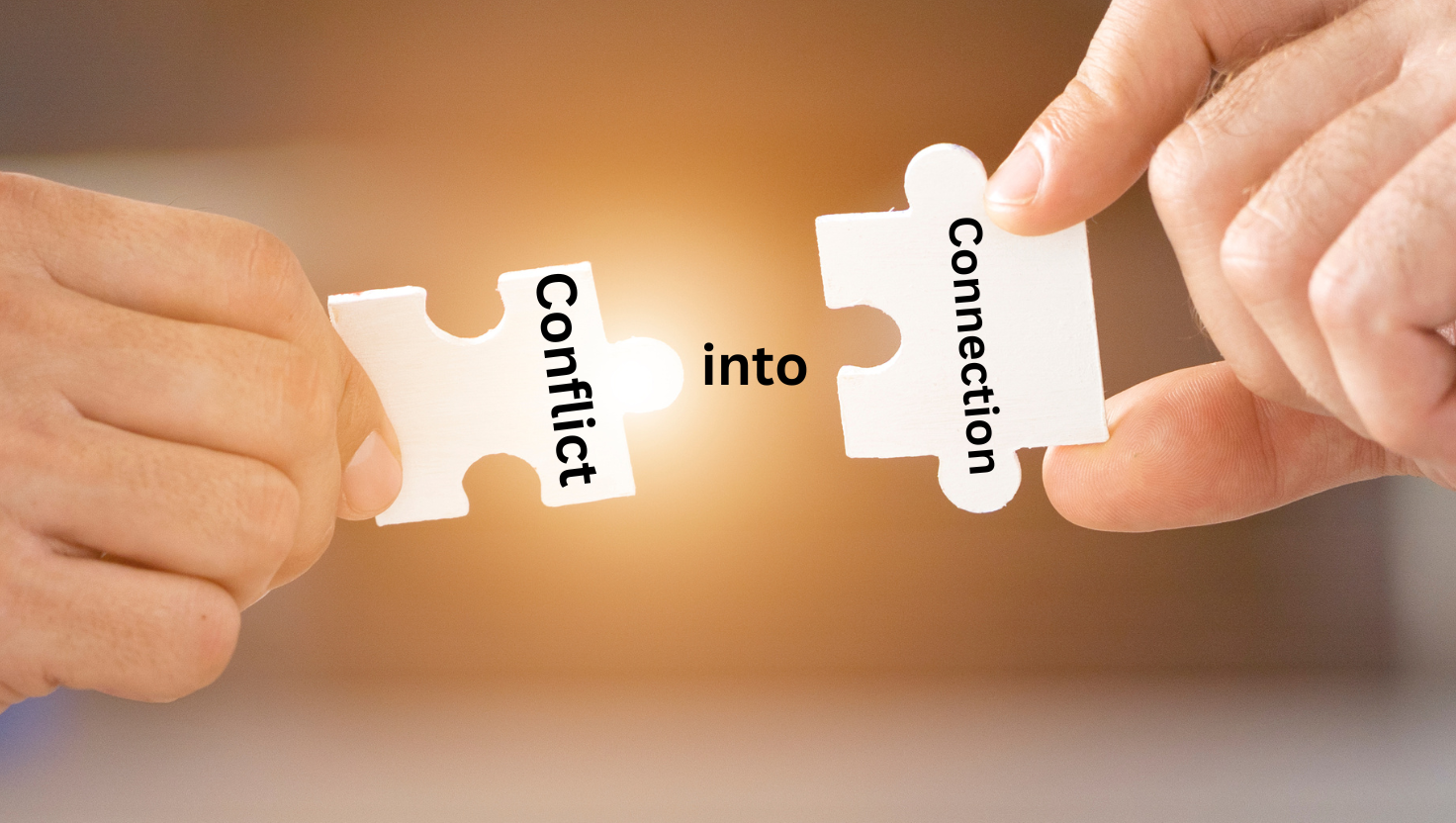
How RLT Helps Couples Transform Conflict into Connection
Conflict is inevitable in any close relationship. But the way couples handle it can either deepen intimacy or erode trust. Many couples experience repetitive arguments, unresolved tension, or emotional distance—often because conflict is treated as a threat rather than an opportunity for growth.

Why Accountability Is the Ultimate Relationship Superpower
In relationships, “accountability” often gets a bad rap. Many people equate it with blame, shame, or punishment. But in Relational Life Therapy (RLT), accountability is not about being perfect—it’s about showing up fully, honestly, and relationally.

The Secret to Lasting Love? Daily Micro-Connections
Many couples believe strong relationships are built through big, romantic gestures or major breakthroughs. But in Relational Life Therapy (RLT), we teach something different: the true foundation of lasting love is consistent, daily micro-connections—small moments of warmth, presence, and attention that keep your bond alive.
These tiny interactions may feel simple, but they’re powerful. They regulate your nervous systems, strengthen trust, and make it easier to navigate conflict when it arises. Micro-connections are the everyday glue that holds love together.

How Childhood Patterns Shape Your Adult Relationships
Even the most loving families leave us with patterns—some helpful, some protective, and some that limit our ability to connect as adults.
Whether you grew up with emotional warmth or emotional chaos, your childhood shaped the way you respond, protect yourself, communicate, ask for help, and navigate conflict in your adult relationships.
How to Stop People-Pleasing and Start Relating Authentically
People-pleasing often looks kind, agreeable, or “easygoing.”
But beneath the surface, it can quietly erode intimacy, create resentment, and make relationships feel one-sided or emotionally disconnected.

Preparing for Marriage as an LGBTQ+ Couple
Preparing for marriage is a major milestone for any couple—but for LGBTQ+ partners, the journey often includes additional layers of complexity, intention, and emotional depth.
You might be navigating:
family dynamics
cultural or religious responses
legal considerations
identity-related stress
past experiences of rejection or misunderstanding
internalized beliefs about worthiness or safety

The Role of Privilege in Interracial Relationships
Interracial relationships can be deeply beautiful, expansive, and healing—but they can also surface differences in privilege, lived experience, and cultural context that many couples don’t know how to navigate at first.

From Reactive to Relational: How to Stay Grounded in Conflict
Even the healthiest couples get triggered. We all have moments where a tone, an expression, or a misunderstood comment sends us straight into defensiveness, shutdown, or anger.
How to Rebuild Connection After a Major Argument
Every couple fights. But some arguments hit deeper—leaving you feeling disconnected, tense, or unsure how to bridge the gap afterward. Maybe harsh words were said, emotions ran high, or one (or both) of you shut down.
The argument ends, but the disconnection lingers.

Why Emotional Maturity Is Sexy: Lessons on Grown-Up Love
When people describe what they want in a partner, they usually list qualities like kindness, ambition, humor, or shared values. But underneath all of those traits, there’s one quality that quietly determines whether love will feel nourishing or draining:

When Family Expectations Clash with Your Relationship
Family can be a source of support, love, and tradition—but sometimes family expectations clash with your partnership. Conflicting values, cultural norms, or pressure to conform can create tension, resentment, and emotional strain.

RLT in Action: Transforming Power Struggles into Partnership
Power struggles are one of the most common challenges in relationships. They can look like arguments over chores, decision-making, intimacy, or parenting. Left unchecked, they create resentment, distance, and disconnection.

How to Set Healthy Boundaries Without Feeling Guilty
Boundaries are essential for healthy relationships, but many people struggle to enforce them without feeling selfish, anxious, or guilty. In reality, boundaries are not barriers—they are bridges to mutual respect, safety, and connection.
How to Repair After You Mess Up (Without Over-Apologizing)
Mistakes happen in every relationship. Maybe you said something hurtful, forgot an important date, or failed to meet your partner’s needs. The question is not whether you mess up—it’s how you repair when it happens.