How RLT Helps Couples Transform Conflict into Connection
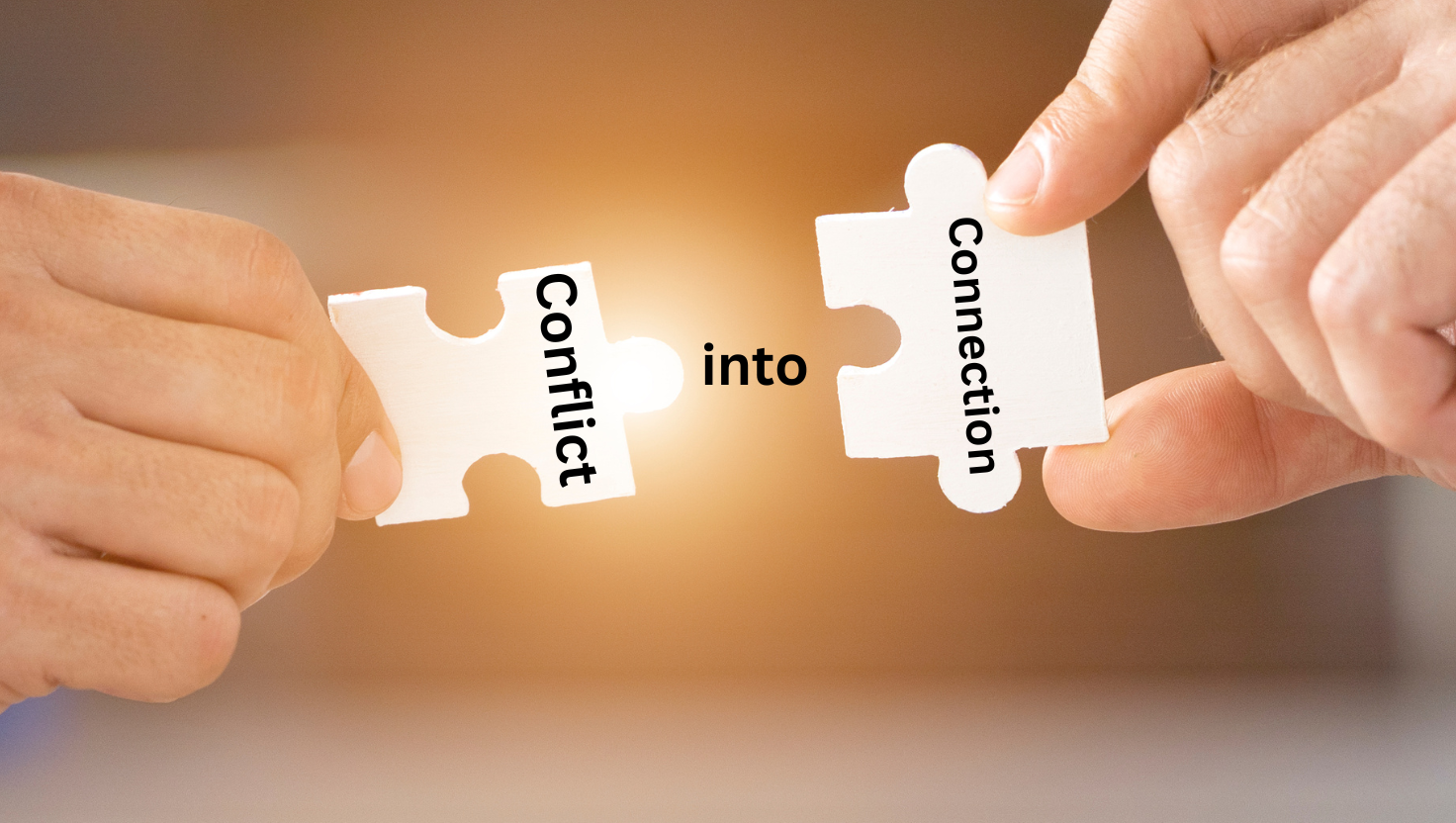
Conflict is inevitable in any close relationship. But the way couples handle it can either deepen intimacy or erode trust. Many couples experience repetitive arguments, unresolved tension, or emotional distance—often because conflict is treated as a threat rather than an opportunity for growth.
Relational Life Therapy (RLT) provides couples with a map to turn conflict into connection. It’s not about avoiding fights or suppressing feelings—it’s about learning to respond from your relational self rather than your reactive, protective self.
Here’s how RLT transforms conflict into a bridge for closeness.
1. Conflict as a Window Into Patterns
RLT teaches that conflict often exposes deeper patterns, including:
unmet needs
past wounds
communication habits
relational triggers
Instead of blaming each other, couples learn to see conflict as a signal to explore dynamics and repair ruptures together.
2. Regulation Before Repair
Many arguments escalate because partners respond from a reactive, emotionally flooded state. RLT emphasizes:
pausing before responding
grounding the body and nervous system
regulating emotions
Once regulated, partners can respond with clarity, empathy, and curiosity rather than defensiveness, which allows conflict to become relational rather than reactive.
3. Accountability Transforms Tension
RLT encourages partners to take responsibility for their part of the dynamic, even if the conflict wasn’t entirely their “fault.”
Accountability steps include:
noticing your contribution
naming your part aloud
apologizing sincerely
asking your partner how they experienced the interaction
This process shifts fights from blame to mutual understanding and repair.
4. Truth-Telling Builds Trust
Honest expression is key in RLT. Couples learn to:
articulate feelings without blame
ask for what they need
share vulnerability carefully and clearly
When both partners can communicate truthfully, conflict becomes a pathway to closeness rather than distance.
5. Repair Skills Make Conflict Productive
RLT teaches practical repair tools, such as:
brief check-ins to reconnect mid-argument
empathy statements
reflective listening
micro-repairs during tension
post-conflict conversations to restore safety
Repair turns conflict into a relational opportunity, not a wedge.
6. Transforming Conflict into Connection Over Time
Couples who practice RLT skills notice:
reduced intensity in arguments
faster repair cycles
increased emotional safety
deeper intimacy
stronger partnership and collaboration
Conflict becomes a mirror for growth rather than a recurring battle.
Conflict Can Be a Catalyst for Love
RLT shifts the perspective: conflict isn’t a threat—it’s an invitation to practice relational skill, deepen trust, and create connection. Couples who embrace this approach move from reactive cycles into long-lasting, grounded intimacy.
If you want to learn how to navigate conflict while deepening connection and building trust, I can help you develop RLT-informed skills that transform fights into growth opportunities. Reach out anytime to schedule a consultation.
📞 Book a free 15-minute consultation today
🌐 Visit onlinecouplecounseling.com
📩 Or email me at joannikeh@joannikeh.com