How to Stop People-Pleasing and Start Relating Authentically
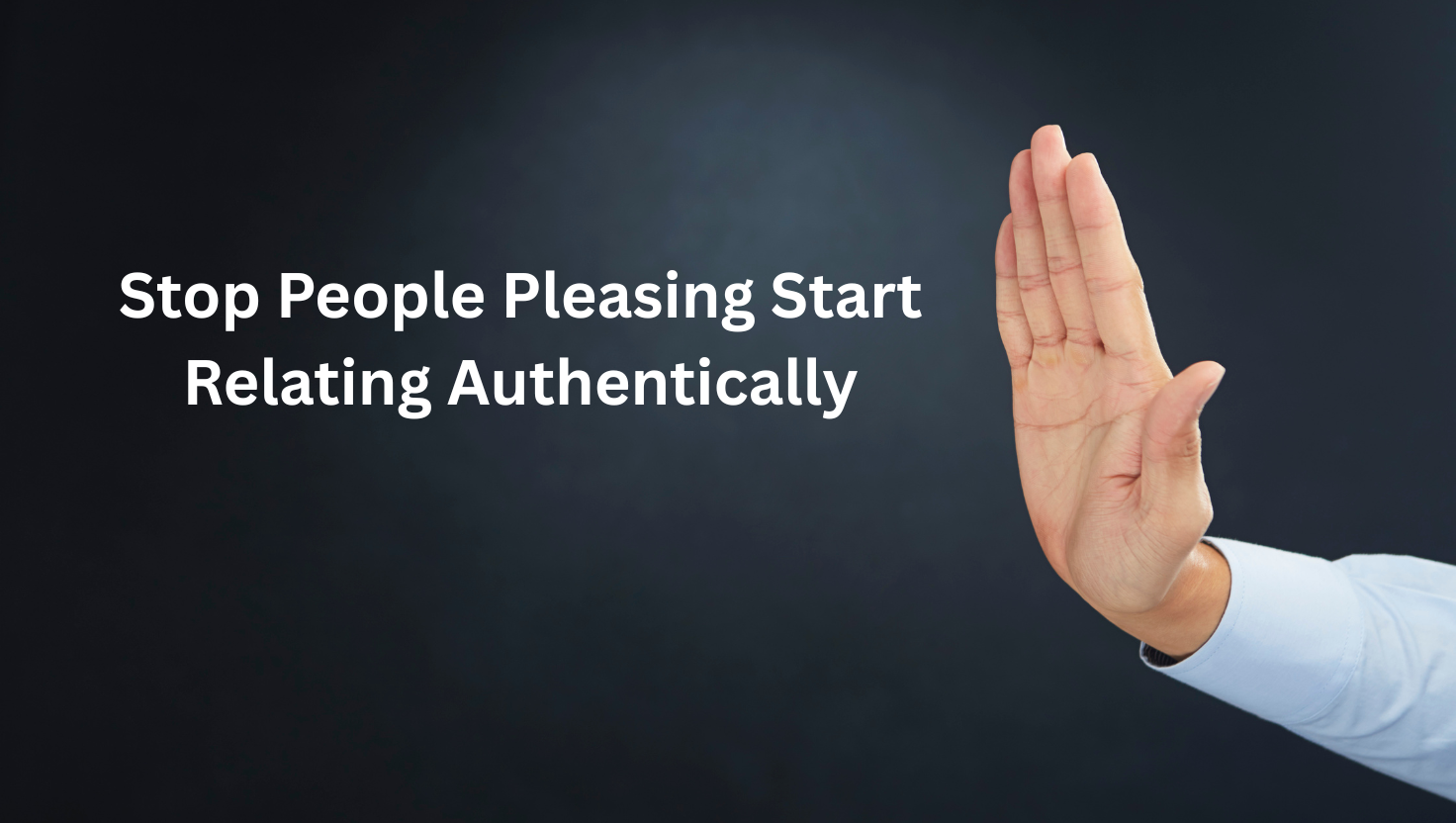
People-pleasing often looks kind, agreeable, or “easygoing.”
But beneath the surface, it can quietly erode intimacy, create resentment, and make relationships feel one-sided or emotionally disconnected.
People-pleasing isn’t actually about generosity—it’s about safety.
It’s a protective strategy that says:
“If I minimize my needs, you won’t get upset, and I won’t be abandoned, judged, or rejected.”
Relational Life Therapy (RLT) helps individuals and couples shift away from these adaptive child patterns and into grounded, honest, relational connection—where both partners matter, and both needs count.
Here’s how to move from people-pleasing to authentic relating.
1. Understand Why You People-Please
People-pleasing usually begins in environments where:
conflict felt dangerous
a caregiver was unpredictable or critical
love was conditional
being “easy” was the safest option
self-sacrifice was praised
As an adult, this can show up as:
hiding your needs
saying yes when you want to say no
staying silent to “keep the peace”
avoiding conflict at all costs
taking responsibility for everyone’s emotions
resentment that grows quietly
Understanding the root helps remove shame and invites compassion for the younger version of you who learned this pattern to survive.
2. Notice Your Early Warning Signs
People-pleasing is often automatic. You say yes before thinking. You comfort instead of expressing hurt. You accommodate instead of asserting.
Start noticing your signals:
tightness in your chest
a pressured “yes”
anxiety about disappointing someone
smiling to mask discomfort
minimizing your own feelings
Awareness is the first step toward authentic connection.
3. Practice Micro-Boundaries
Boundaries don’t have to be dramatic.
Start with small, manageable steps like:
“Let me think about that and get back to you.”
“I need a moment.”
“I’m not available tonight.”
“I’m not comfortable with that.”
Each micro-boundary strengthens your relational self and reduces the fear of conflict.
4. Share Your Inner World Honestly
Authenticity doesn’t mean being harsh—it means being clear.
Instead of:
“It’s fine.”
“Whatever you want.”
“I don’t care.”
Try:
“I actually have a different preference.”
“I’m feeling overwhelmed.”
“I need more time to decide.”
“I want to be honest about how that impacted me.”
Truth-telling is one of the core pillars of RLT because it allows real intimacy to grow.
5. Let Go of the Responsibility for Others’ Emotions
A key RLT insight:
You are responsible for the clarity of your message—not your partner’s reaction to it.
This doesn’t mean being careless; it means trusting that both partners can handle discomfort and repair.
When you allow others to experience their own emotions, relationships become more equal, honest, and mature.
6. Learn to Tolerate Healthy Conflict
People-pleasers often fear conflict because it once felt unsafe.
But healthy conflict can be:
connecting
clarifying
stabilizing
growth-producing
RLT teaches couples how to stay grounded during disagreements so conflict becomes a path to deeper understanding—not a threat.
7. Build Self-Worth That Isn’t Dependent on Approval
People-pleasing says:
“I’m only okay if you’re okay with me.”
Authentic relating says:
“I’m whole and valuable, and I can show up honestly.”
This shift takes time, self-compassion, and relational practice, but it changes everything.
Authenticity Builds Stronger Love Than Compliance Ever Will
When you stop people-pleasing, you make space for real intimacy.
Your partner gets to know the real you.
Your needs matter.
Your voice becomes part of the relationship—not something you hide to avoid conflict.
RLT helps you step into a grounded, relational version of yourself where connection is built on truth, not self-erasure.
If you’re ready to move from people-pleasing to authentic connection, I can help you build boundaries, communicate honestly, and show up fully in your relationships. Reach out anytime to schedule a consultation.
📞 Book a free 15-minute consultation today
🌐 Visit onlinecouplecounseling.com
📩 Or email me at joannikeh@joannikeh.com