
What to Do When You Feel Disconnected from Your Partner
Every relationship experiences moments of disconnection. You may feel emotionally distant, misunderstood, or like you’re living alongside rather than with your partner.

The Relational Cost of Avoidance: Why Silence Hurts More Than Conflict
It’s tempting to avoid hard conversations with a partner. “Better to keep the peace,” we think, than risk tension or disagreement. But in the long run, avoidance often harms relationships more than conflict ever could.


Emotional Safety: The Secret Ingredient in Queer Love
Queer relationships, like all relationships, thrive on intimacy, trust, and vulnerability. But for LGBTQ+ couples, emotional safety is often both more critical and more complex.

Red Flags vs. Growth Edges: Knowing When to Stay or Leave
All relationships face challenges. But not all challenges are equal. Some are red flags, warning signs of harmful dynamics, while others are growth edges, opportunities to strengthen connection.

The Hidden Work of Repair in Interracial Relationships
Interracial couples often navigate joys and challenges that are unique to their partnerships. Beyond the everyday dynamics of any relationship, there are additional layers: cultural differences, societal bias, and sometimes external judgments that can strain intimacy.

Why You Keep Attracting the Same Kind of Partner
Do your relationships start differently but end in the same painful patterns—feeling unseen, over-giving, or constantly walking on eggshells?
You’re not alone. Most of us repeat familiar dynamics without realizing it.

Why Love Isn’t Enough: The Missing Ingredient in Long-Lasting Relationships
We’ve all heard it: “All you need is love.” It sounds comforting—and romantic—but in the therapy room, we see a deeper truth. Love is the foundation of a relationship, but it’s not the whole house.

How to Have Hard Conversations Without Losing Connection
We all face moments when a hard conversation feels unavoidable—talking about unmet needs, hurt feelings, or recurring issues that never seem to get resolved. For many couples, these talks quickly turn into conflict or withdrawal. But what if hard conversations could bring you closer instead of pushing you apart?

How to Communicate Boundaries and Needs in LGBTQ+ Relationships
Many LGBTQ+ couples face unique pressures — from societal stigma to family expectations. Clear communication about boundaries isn’t optional; it’s essential.
RLT emphasizes that expressing needs and limits is an act of courage, not selfishness. Boundaries create safety, respect, and trust, allowing both partners to show up fully.

Building a Conscious Partnership Before You Say “I Do”
Marriage isn’t just about love; it’s about awareness, maturity, and intentionality.
Couples often enter marriage on autopilot — swept up by romance, excitement, or societal pressure — only to discover misalignments later.

What Relational Life Therapy Teaches About Real Intimacy
Relational Life Therapy (RLT), developed by Terry Real, offers a roadmap for cultivating this depth. It’s not about fixing your partner or avoiding conflict; it’s about showing up fully, even when it’s hard.

Healing Shame to Build Healthier Connections
Shame is a quiet, insidious force. Unlike guilt, which focuses on actions, shame attacks the self: “I am flawed,” “I am unworthy.”
In relationships, shame can cause:
Withdrawal and emotional distance.
Defensiveness or aggression.
Difficulty expressing needs or vulnerability.
RLT emphasizes that shame is normal, but unaddressed, it prevents genuine intimacy and repair.
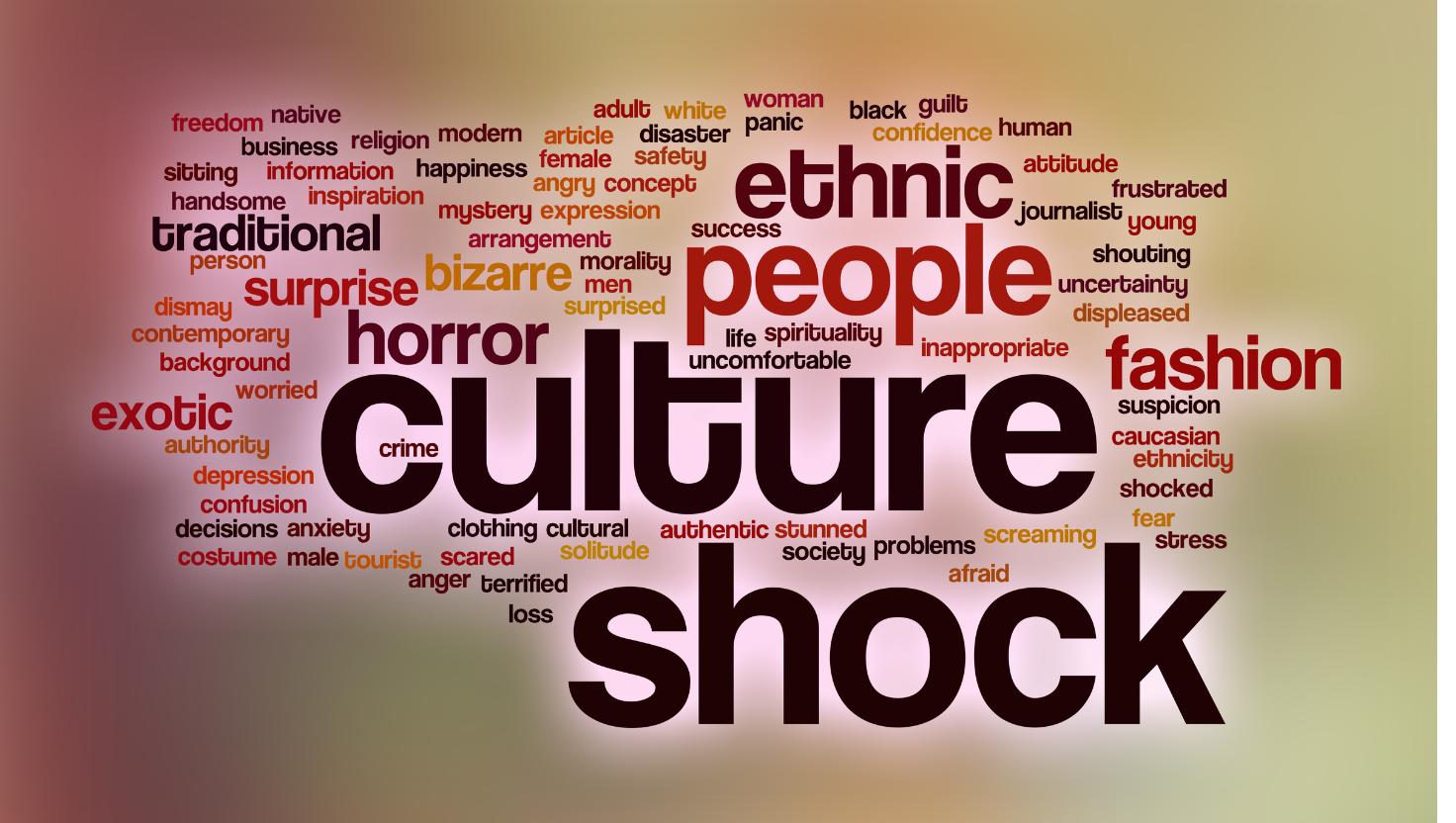
When Love Meets Culture Shock: Building a Healthy Interracial Relationship
Interracial relationships are beautiful, but they also come with unique challenges. Culture, race, and societal expectations shape how we see the world — and sometimes those differences collide with love.
Culture shock in relationships can show up as misunderstandings, unspoken expectations, or even conflict about family, traditions, and values. RLT emphasizes that awareness, curiosity, and empathy are essential to navigate these dynamics.

Why Defensiveness Ruins Connection—and How to Stop It
Defensiveness is sneaky. It feels protective — a way to defend your worth or perspective — but in reality, it erodes connection.
When one partner becomes defensive, the other often escalates, creating a cycle of blame and withdrawal. Over time, these moments accumulate, leaving both partners feeling distant, unheard, and frustrated.

Queer Relationships Deserve More Than Survival: Building True Connection
Queer relationships often face unique stressors: societal stigma, microaggressions, family rejection, and internalized pressures. Many LGBTQ+ couples find themselves operating in “survival mode,” focused on enduring challenges rather than cultivating connection.

Premarital Counseling Questions Every Couple Should Ask
Marriage isn’t just a ceremony — it’s a partnership. And like any partnership, success depends on understanding, communication, and alignment.
Premarital counseling provides a structured space to explore essential topics before saying “I do.” Asking the right questions now can prevent misunderstandings, unmet expectations, and recurring conflict later.

The Power of Repair: How to Rebuild Trust After Conflict
Every couple experiences conflict. It’s natural. But what determines whether a relationship thrives or struggles isn’t the conflict itself — it’s how couples repair afterward.
Relational Life Therapy (RLT) teaches that repair is the bridge back to safety, intimacy, and trust. Without it, even small disagreements can fester into resentment and distance.

How to Recognize Your Unhealthy Relationship Patterns—and Change Them
We often think conflicts in relationships are about isolated incidents: a fight over money, a snide comment, or a forgotten date.
But in reality, it’s patterns, not moments, that shape the health of a relationship.
A pattern is a repeated cycle — often unconscious — that triggers defensiveness, blame, or withdrawal. Recognizing these patterns is the first step toward real change. RLT teaches that awareness is where healing begins.

How to Talk About Race and Culture in Your Relationship—Without Fighting
Talking about race, culture, or privilege in a relationship can feel like walking on eggshells.
You love each other, but the stakes feel high. You fear saying the wrong thing, getting defensive, or hurting your partner.
Here’s the truth: avoiding these conversations doesn’t keep your relationship safe — it quietly undermines trust.