How Childhood Patterns Shape Your Adult Relationships
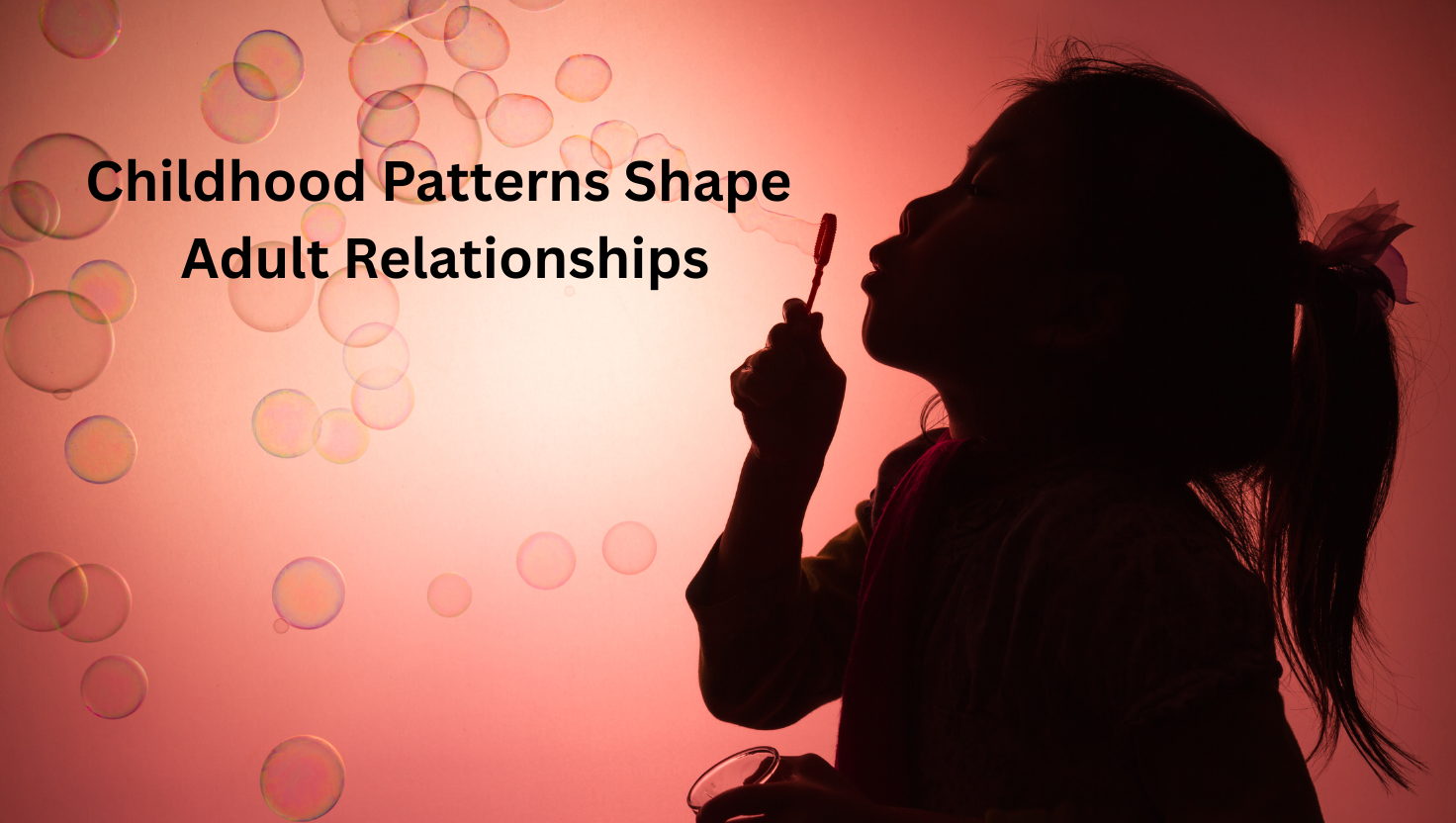
Even the most loving families leave us with patterns—some helpful, some protective, and some that limit our ability to connect as adults.
Whether you grew up with emotional warmth or emotional chaos, your childhood shaped the way you respond, protect yourself, communicate, ask for help, and navigate conflict in your adult relationships.
Relational Life Therapy (RLT) teaches that these patterns aren’t flaws—they’re adaptations. They helped you survive emotional environments that may not have been fully safe or attuned.
But what protected you as a child can harm your connection as an adult.
Understanding your childhood patterns is a powerful step toward building the loving, grounded, relational partnership you want.
1. Adaptive Child Patterns: Your Early Survival Strategies
RLT uses the term Adaptive Child to describe the armored, reactive part of you that formed in childhood.
This part learned strategies like:
pleasing
withdrawing
controlling
caretaking
shutting down
being overly accommodating
becoming hyper-independent
exploding in frustration
These patterns helped you cope when you were small and powerless. But in adult relationships, they often sabotage intimacy.
2. How Childhood Shapes Your Nervous System
Your body learned how safe or unsafe connection was long before you could articulate it.
Did you grow up with:
consistent emotional support?
unpredictability?
criticism?
neglect?
pressure to perform?
physical or emotional absence?
a parent who needed caretaking?
Your nervous system adapted.
Now, as an adult, moments of conflict, disappointment, or misunderstanding can trigger old emotional states—even when your partner isn’t the cause.
This is why certain moments feel “bigger” than they should. They carry emotional echoes of the past.
3. Your Childhood Influences How You Handle Conflict
If your childhood environment taught you that:
conflict is dangerous, you avoid
needs lead to rejection, you stay silent
expressing emotions leads to punishment, you shut down
you must be perfect, you overfunction
love must be earned, you overextend
you’re on your own, you don’t trust or rely on others
These patterns show up in adult relationships automatically—and often unconsciously.
Understanding the origin of your conflict style helps you approach conflict more relationally and less reactively.
4. Patterns From Childhood Shape Your Communication Style
Your early environment shapes:
how you express emotions
how you listen
what triggers you
how you ask for help
how you repair after conflict
how much vulnerability you tolerate
whether you speak from clarity or protection
When communication feels hard, it’s rarely about the present moment—it’s about old scripts running in the background.
5. Childhood Patterns Influence What Feels “Normal” in Love
You may gravitate toward what’s familiar, not what’s healthy.
This can look like:
choosing emotionally unavailable partners
tolerating disrespect
confusing chaos for passion
overgiving to feel secure
craving validation through performance
struggling to trust steady love
Exploring your childhood patterns helps you break cycles and choose connection from awareness instead of habit.
6. The Path to Healing: Moving Toward Your Relational Self
The goal isn’t to erase your childhood patterns—it’s to heal, so you can act from your grounded, mature, relational self rather than from old wounds.
RLT helps you:
identify reactive patterns
understand where they came from
regulate your nervous system
speak your truth with love
set boundaries
build mutual respect
repair quickly and authentically
Healing these patterns transforms not just your relationships—but your overall sense of worth, safety, and connection.
Your Childhood Explains You—But It Doesn’t Define You
Your patterns make sense. They were adaptive. They were protective.
And you get to choose which ones you carry forward and which ones you lovingly outgrow.
Awareness paired with relational skill-building allows you to create the kind of love you didn’t always receive—and the kind of partnership you truly deserve.
If you’re ready to understand your patterns and grow into a more grounded, relational version of yourself, I can help you break old cycles and build healthier, more connected relationships. Reach out anytime to schedule a consultation.
📞 Book a free 15-minute consultation today
🌐 Visit onlinecouplecounseling.com
📩 Or email me at joannikeh@joannikeh.com