Anxiety in Relationships: When Love Triggers Fear
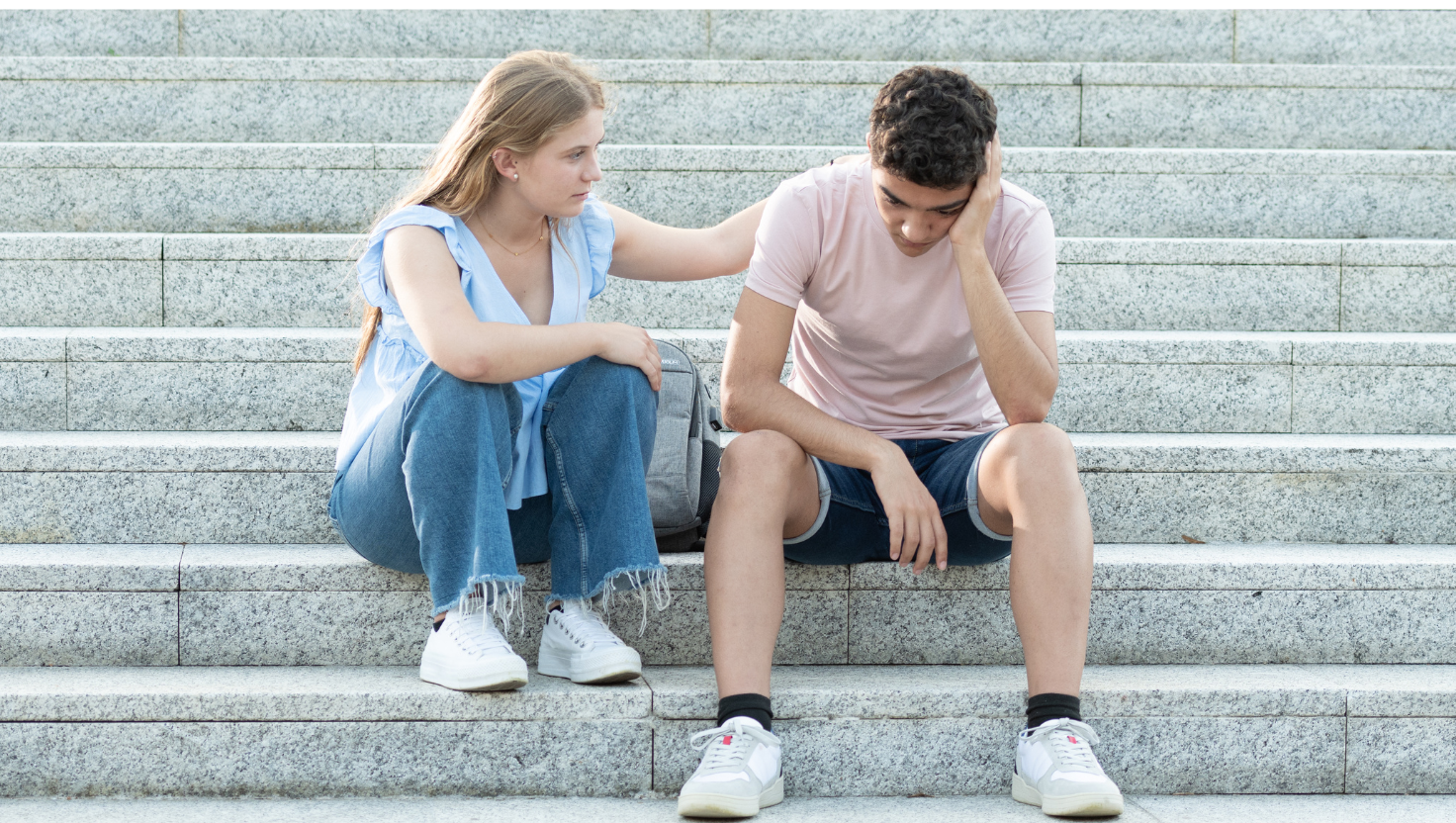
Anxiety doesn’t stop at the door of a relationship. In fact, for many people, intimacy is where anxiety shows up the loudest.
If you find yourself overthinking texts, fearing conflict, needing reassurance, or emotionally shutting down when things feel uncertain, you’re not “too much” — you may be experiencing relationship-based anxiety.
Anxiety in relationships is common, especially for adults who are high-functioning, emotionally aware, or deeply invested in connection. Therapy can help you understand what’s happening beneath the surface and create healthier patterns.
What Anxiety in Relationships Can Look Like
Relationship anxiety doesn’t always look like jealousy or clinginess. Often, it’s more subtle — and more exhausting.
You might notice:
Overanalyzing tone, texts, or small changes in behavior
Fear of being rejected, abandoned, or misunderstood
Needing frequent reassurance but still feeling unsure
Avoiding conflict because it feels overwhelming
Shutting down emotionally to protect yourself
Feeling calm when alone but anxious when close
These patterns can leave you feeling confused, disconnected, or ashamed — especially if you’re otherwise competent and capable in life.
Why Anxiety Often Gets Triggered in Close Relationships
Relationships activate our attachment system — the part of us wired for connection and safety. When past experiences taught you that closeness came with unpredictability, emotional inconsistency, or responsibility for others’ feelings, anxiety makes sense.
For many adults, relationship anxiety is connected to:
Early attachment wounds
Past relational trauma or betrayal
Growing up needing to stay emotionally alert
Learning to equate love with instability
This doesn’t mean anything is “wrong” with you. It means your nervous system learned strategies to protect you.
Anxiety vs. Intuition in Relationships
A common question clients ask is: “Is this my intuition — or is it anxiety?”
Anxiety tends to feel:
Urgent
Loud
Repetitive
Focused on worst-case scenarios
Intuition tends to feel:
Calm
Grounded
Clear, even if the message is hard
Less emotionally charged
Therapy helps you learn how to tell the difference, so decisions come from clarity rather than fear.
How Anxiety Impacts Communication
Anxiety can quietly shape how couples communicate:
One partner may seek reassurance while the other withdraws
Small misunderstandings escalate quickly
Emotions feel unsafe to express
Conflict becomes something to avoid or fear
Over time, this can create distance, resentment, or repeated fight cycles — even in loving relationships.
How Therapy Helps with Anxiety in Relationships
Anxiety therapy for relationships isn’t about teaching you to “calm down” or think positively. It’s about helping you feel emotionally safe enough to stay present.
In therapy, we work on:
Understanding your anxiety patterns
Identifying triggers in closeness and conflict
Regulating your nervous system
Communicating needs without fear
Building emotional safety and trust
This approach is especially helpful for women, parents, and couples navigating emotionally demanding relationships.
Online Therapy for Relationship Anxiety
Relationship anxiety can be addressed effectively through online therapy. Working from your own space often makes it easier to notice patterns and practice new ways of relating.
Online therapy is available for adults and couples in:
Florida
Virginia
Washington DC
California
You Don’t Have to Choose Between Love and Peace
If loving someone feels like it comes with constant anxiety, something deserves attention — not judgment.
Therapy can help you build relationships that feel secure, steady, and emotionally supportive, without losing yourself in the process.
👉 Schedule a consultation to explore therapy for anxiety in relationships.